
The Nature of Luck in Gambling
Luck is a primal concept in the world of gambling, particularly in casinos. Players often attribute their wins and losses to luck, suggesting that sometimes the stars align in their favor, while at other times, they experience an unfortunate streak. This notion of luck creates a sense of excitement and unpredictability, which is central to the appeal of gaming. For those enjoying their time at the table or trying their hand at online pokies new zealand , it’s common for players to believe that luck can change at any moment, leading to a series of fortunate outcomes or, conversely, a dry spell where nothing goes right.
Moreover, luck is often personified in casinos, symbolized through popular phrases like «Lady Luck» and various superstitions surrounding specific games. Many gamblers will engage in rituals or lucky charms, further embedding the idea that their outcomes may be swayed by forces beyond their control. This psychological connection to luck can play a significant role in how players approach the gaming experience, influencing not just their strategies but their overall enjoyment of the games.
However, while luck is a compelling factor in gambling, it is essential to recognize that it is not the only element at play. Games like slots and roulette are driven by chance, but others, such as poker, incorporate skill and strategy. Understanding the balance between luck, skill, and probability can shift a player’s perspective, allowing them to see gambling not just as a game of chance but as an arena where informed decision-making can also lead to success.
The Role of Probability in Casino Games
At the core of every casino game lies the fundamental principle of probability. Each game has specific odds that dictate the likelihood of winning or losing, and these odds can be quantified. Understanding the mathematical probabilities associated with games can help reshape the belief in pure luck. For example, in games like blackjack, knowing when to hit or stand can drastically alter your chances of winning. This illustrates how players can leverage knowledge, rather than relying solely on luck.
In the case of games rooted purely in chance, such as slot machines, the probabilities are predetermined by the design of the game itself. Each spin is an independent event, and previous outcomes do not influence future spins, illustrating the randomness inherent in these games. Therefore, while players may experience winning streaks or losing spells, these are simply manifestations of statistical variance in the underlying probabilities.
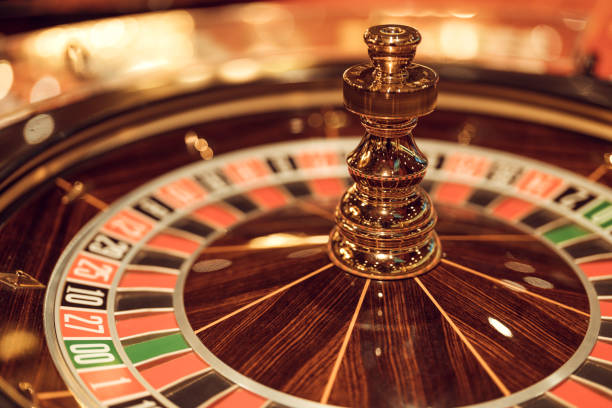
Ultimately, luck and probability coexist in the casino ecosystem, but it is essential to approach gambling with a critical understanding of both elements. Recognizing that while luck can play a role in the short term, ultimately, informed decision-making based on the odds will lead to more sustainable outcomes over time. Educating oneself about the games and their probabilities can help minimize reliance on luck and foster a more strategic approach to gambling.
Psychological Factors That Impact Perception of Luck
Psycho-emotional aspects significantly impact how players perceive luck in casinos. For instance, cognitive biases can lead gamblers to overestimate their understanding of luck, attributing their losses to external factors rather than chance. This illusion can result in the ‘gambler’s fallacy,’ where players believe that past outcomes influence future results, such as thinking that after several losses, a win is ‘due’ to happen. Such thinking can create a cycle of chasing losses, leading to further financial strains.
Additionally, the environment of a casino—often filled with lights, sounds, and celebratory atmosphere—can amplify emotions. Players may feel a rush of adrenaline that clouds their judgment, making them more likely to believe in their lucky streaks or the irrationality of bad luck. This emotional engagement can enhance the gambling experience but can also lead to impulsive decision-making that does not account for the actual odds of the games.
Understanding these psychological factors is crucial for players who want to gamble responsibly. By acknowledging that both luck and cognitive biases can influence their perceptions and behaviors, gamblers can cultivate a more informed and measured approach. Recognizing when emotions take charge allows players to step back, refocus, and ensure that their gambling remains within enjoyable limits without falling prey to the whims of luck or emotional impulses.
The Influence of Superstitions and Rituals
Superstitions are deeply ingrained in the gambling culture, often acting as comforting routines for players. Many individuals turn to specific rituals or lucky objects, convinced they hold the power to influence luck. For instance, some players may wear certain clothing, use particular betting sequences, or even perform specific actions before making a bet. These behaviors can provide a sense of control in an unpredictable environment, allowing individuals to feel more empowered as they engage in games of chance.
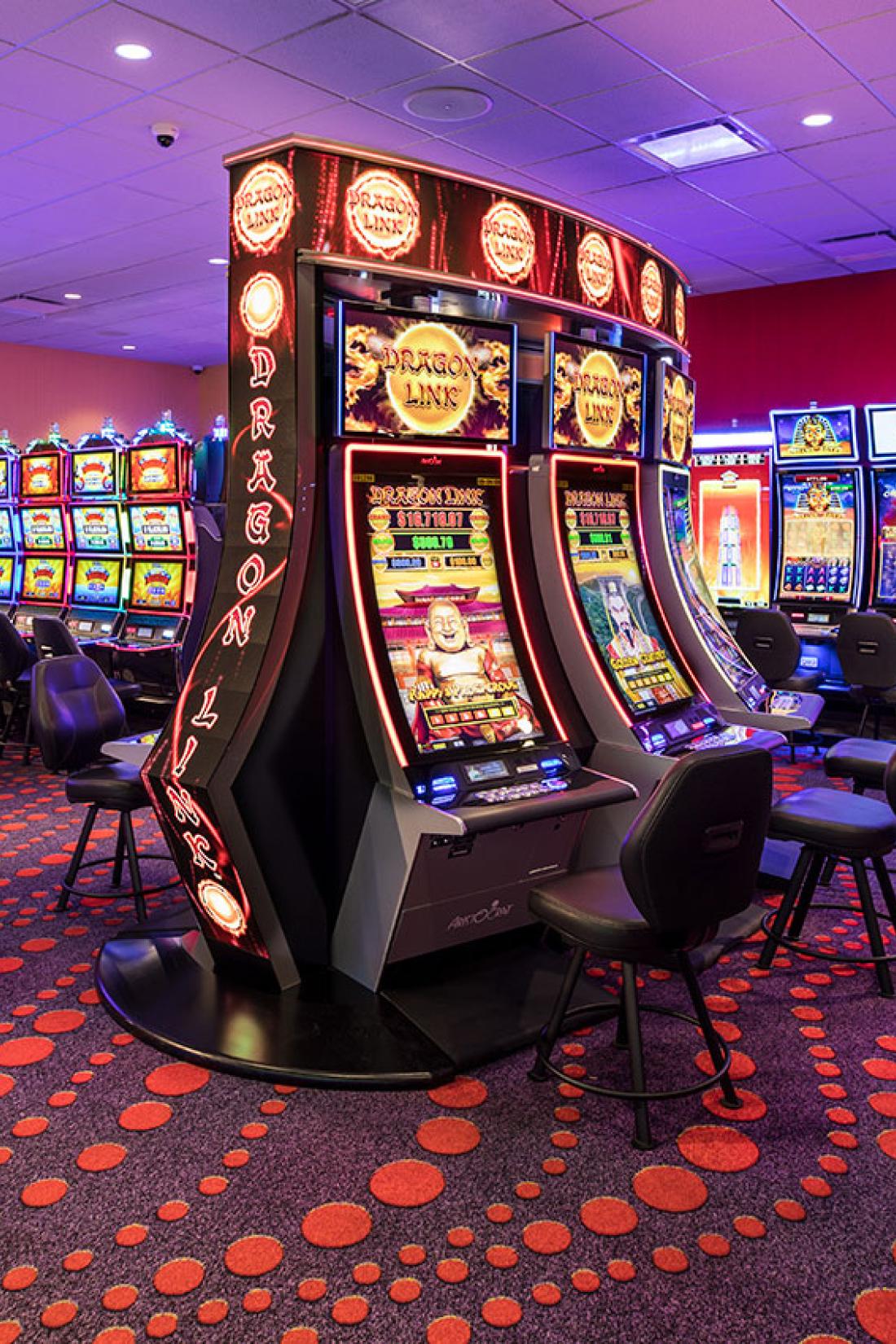
Interestingly, the belief in luck is not just a personal conviction but can also be a social phenomenon. Gamblers often share their superstitions within their communities, passing down rituals and beliefs that can cement the idea of luck as a tangible force. These shared beliefs can create a communal atmosphere in casinos, where players encourage each other to engage in these rituals, fostering a sense of camaraderie based on the shared hope of favorable outcomes.
While these superstitions may not directly influence the mathematical outcomes of games, the psychological comfort they provide can enhance the gambling experience, allowing players to enjoy their time at the casino. However, it is essential to remain aware that relying too heavily on these beliefs can lead to misinformed strategies or larger losses. Balancing belief in luck with sound betting practices is key to maintaining an enjoyable and responsible gambling experience.
Exploring Responsible Gambling Practices
Responsible gambling is an essential aspect of engaging with casino games, especially in a landscape where luck and chance play significant roles. By adopting responsible practices, players can mitigate the risks associated with gambling while still enjoying the thrill of the games. Setting limits on time and money spent can help keep gambling as a form of entertainment rather than a source of stress or financial strain.
An essential component of responsible gambling is self-awareness. Players must understand their emotional triggers and recognize when gambling may no longer be enjoyable. This includes being mindful of the influence of luck on their decisions and avoiding the pitfalls of chasing losses or engaging in patterns driven by emotions or superstitions. Establishing a clear perspective on the role of luck in outcomes can promote healthier habits and enhance the overall gaming experience.
Furthermore, many casinos and gaming organizations provide resources and support for responsible gambling, recognizing the importance of maintaining a balanced relationship with luck and chance. Utilizing these resources can empower players to make informed choices and cultivate a sustainable approach to their gaming activities. By embracing responsible gambling practices, players can enjoy the excitement of luck without compromising their financial well-being or personal happiness.